EVENT / Music / August 2026
Two Nations in Harmony: An Australia-Indonesia Concert Ensemble
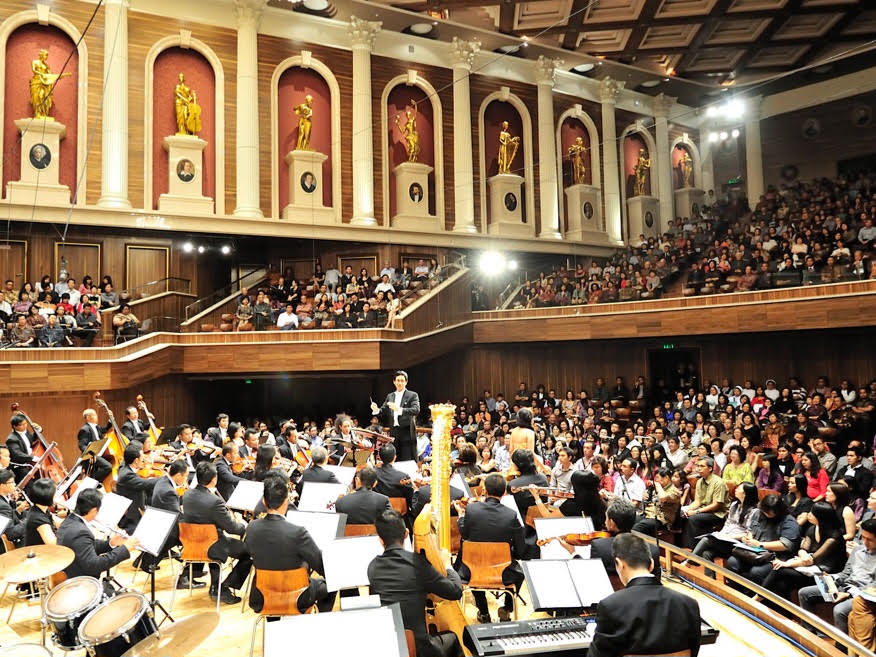
The cultural bond between Australia and Indonesia reached a vibrant milestone in Jakarta as the Melbourne Symphony Orchestra (MSO) String Quartet joined forces with Indonesian composer Vishnu Satyagraha. Performed before a captivated audience, this unique collaborative concert showcased the profound power of cross-border artistic partnerships. By blending Western classical foundations with deep-rooted Indonesian musical heritage, the performance served as a sophisticated testament to bilateral harmony, creative innovation, and shared identity.
Strengthening Bilateral and Cultural Relations
Music continues to serve as an essential, unifying medium that bridges the people of both nations across cultural landscapes. This collaborative initiative underscores the growing strength and depth of the creative partnership between Australia and Indonesia. By prioritizing shared artistic expressions, both countries reinforce their long-standing diplomatic and social ties through the universal language of orchestral innovation.
Expanding the MSO Indonesian Partnership
The Melbourne Symphony Orchestra continues to solidify its decade-long presence in Indonesia through highly strategic cultural alliances. Formalized via a memorandum of understanding with the Yogyakarta Regional Cultural Office and the Yogyakarta Royal Orchestra, this relationship focuses on sustainable cultural exchange. These institutional efforts actively promote artist capacity development, educational workshops, and high-caliber international performances.
Bridging Rivers Through Musical Metaphor
The original composition Yarra Code acts as a vivid sonic bridge between the geographic and social landscapes of Melbourne and Yogyakarta. Inspired by the Yarra and Code rivers, the four-part contemporary piece utilizes a delicate string ensemble accented by the sharp, rhythmic pulse of the Indonesian kendang drum. The arrangement masterfully traces a river’s journey from upstream to downstream, serving as an evocative metaphor for urban community life.
Fusing Ancestral Heritage with Western Harmony
The standout piece of the evening, Aluna Digdaya, created a dynamic dialogue between ancient Nusantara heritage and Western classical traditions. The composition utilized the heavy rhythmic drive of the gejog lesung—a traditional wooden percussion instrument recognized as an Indonesian intangible cultural heritage. This grounding folk rhythm allowed the MSO string quartet to build expansive, modern harmonies over a highly sacred ancestral foundation.
Elevating Performances with Interactive Vocalizations
The cross-cultural energy of the concert was further elevated by the active, spontaneous participation of the onstage Indonesian ensemble. Moving beyond traditional instrumentation, the folk musicians integrated rhythmic vocal accents, including characteristic ‘cak’ sounds and energetic vocal cues. This striking auditory layer added raw, authentic texture to the polished string arrangements, captivating the audience inside the venue.
Showcasing Australia’s Premier Orchestral Talent
As the core musical engine of the evening, the MSO String Quartet demonstrated why it remains one of Australia’s oldest and most prominent symphony institutions. Based in Victoria, the orchestra is globally recognized for its rigorous international touring schedules and robust youth development initiatives. Their performance in Jakarta highlighted their ongoing commitment to pushing boundaries through diverse, international cross-cultural collaborations.
Cultivating Future Arts Leadership
The collaborative visit extends far beyond the concert stage to encompass professional development and educational outreach. Following the Jakarta performance, the MSO musicians are scheduled to conduct an intensive “Leadership in Arts” workshop before traveling to Yogyakarta. Supported by the Australia-Indonesia Institute and the State Government of Victoria, these activities ensure a lasting impact on the regional arts ecosystem.
*Sources: Tempo
*Photo: Australian Embassy Jakarta