News / April 2026
Traditional vs. Modern Wedding Ceremonies: Which One Is Right for You?
Choosing between a timeless traditional ceremony and a personalized modern celebration is a significant decision for any couple. This article explores the rich history of classical vows and family protocols alongside the creative freedom of unique locations and alternative rituals to help you find the perfect balance for your special day.
Traditional Wedding Ceremonies
Traditional wedding ceremonies are deeply rooted in history, culture, and religious beliefs. They provide structure and symbolism, which provides a sense of meaning and connection for many couples. While traditions can vary from culture to culture, there are some elements that often recur.
Classical Vows and Religious Traditions
Traditional marriages often involve firm wedding vows. Well-known words such as “until death do us part” have a deep meaning and have been used for generations. Religious ceremonies play a major role in these unions, often involving the exchange of rings or a blessing by a religious leader.
The Role of the Parents
Another characteristic of traditional weddings is the role of the parents, particularly that of the father of the bride. In many cultures, it is customary for the father to accompany the bride to the altar and hand her over to the groom to symbolize surrender and trust. Other family members also often play a prominent role, such as mothers helping with the preparations and grandparents giving blessings.
Bridal Wear and Etiquette
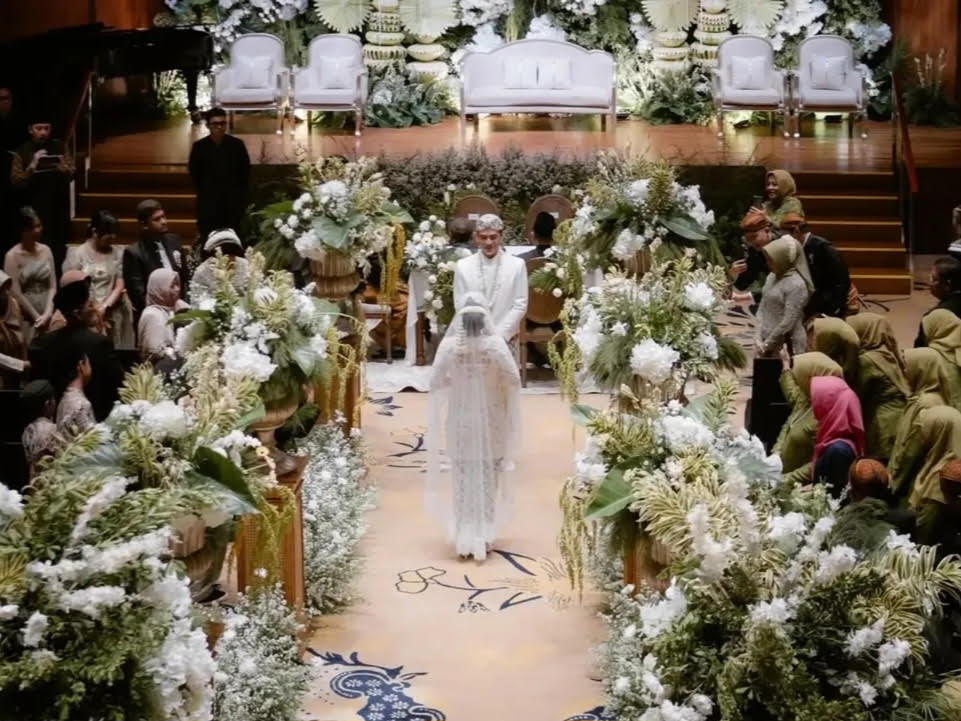
The traditional wedding dress is often white, symbolizing purity and new beginnings. The veil, another important feature, is used in some religious ceremonies to conceal the bride until the ceremony concludes. For the groom, a classic tuxedo or a three-piece suit is the norm. Traditional weddings often follow a strict protocol, from the order of entry to the cutting of the wedding cake.
Master of Ceremonies and Bridesmaids
A master of ceremonies plays a crucial role in traditional weddings by ensuring that everything goes according to plan and guiding the guests throughout the day. In addition, bridesmaids and witnesses have an important function where bridesmaids help the bride with her dress and accessories, while the witnesses have an official role in signing the marriage certificate
Modern Wedding Ceremonies
More and more couples are choosing to personalize their wedding ceremony and deviate from traditional customs. This gives them the freedom to create a ceremony that truly suits their relationship and reflects their unique journey together.
Personal Vows
Instead of fixed vows, many couples write their own promises to make the moment extra personal and emotional. Some couples choose to reveal their vows to each other only on the day, while others work together on words that best describe their love.
Unique Locations
While traditional weddings often take place in a house of worship or town hall, modern couples are increasingly opting for unique locations. Think of a romantic beach, a castle, an industrial warehouse, a farm or even a forest. The location largely determines the atmosphere of the ceremony and provides a beautiful backdrop for unforgettable photos.
Informal Dress Code
Where traditional weddings have a strict dress code, modern couples often opt for a more informal approach. Some couples even go a step further and opt for themed outfits or colorful wedding dresses and suits. There are also couples who completely abandon the traditional white wedding dress and opt for a dress in their favorite color.
Equal Division of Roles
Instead of the traditional division of roles where the father gives the bride away, some couples choose to walk down the aisle together to symbolize equality and mutual support. Also, both parents can accompany the bride or another loved one can take on this role to reflect modern family dynamics.
Alternative Rituals
Many modern wedding ceremonies include alternative rituals that symbolize the couple’s love and connection. Some popular examples include lighting a joint candle, where both partners use a smaller candle to light one large candle to symbolize their union. Another heartfelt option is exchanging a handwritten letter filled with personal promises and shared memories.
Finding the Perfect Balance
Many couples today combine elements from both styles to create a ceremony that suits them. There is no right or wrong when planning a wedding ceremony, so you should select the traditions that are meaningful to you and add modern elements to make it personal. It is often helpful to consult with family and friends to manage expectations and ensure everyone feels included.
*Source: Wedding Wonderland
*Photo: Venema Pictures